

Louisiana Climate Conditions Continue Impacting Roofing Material Performance Across Gulf Coast Properties
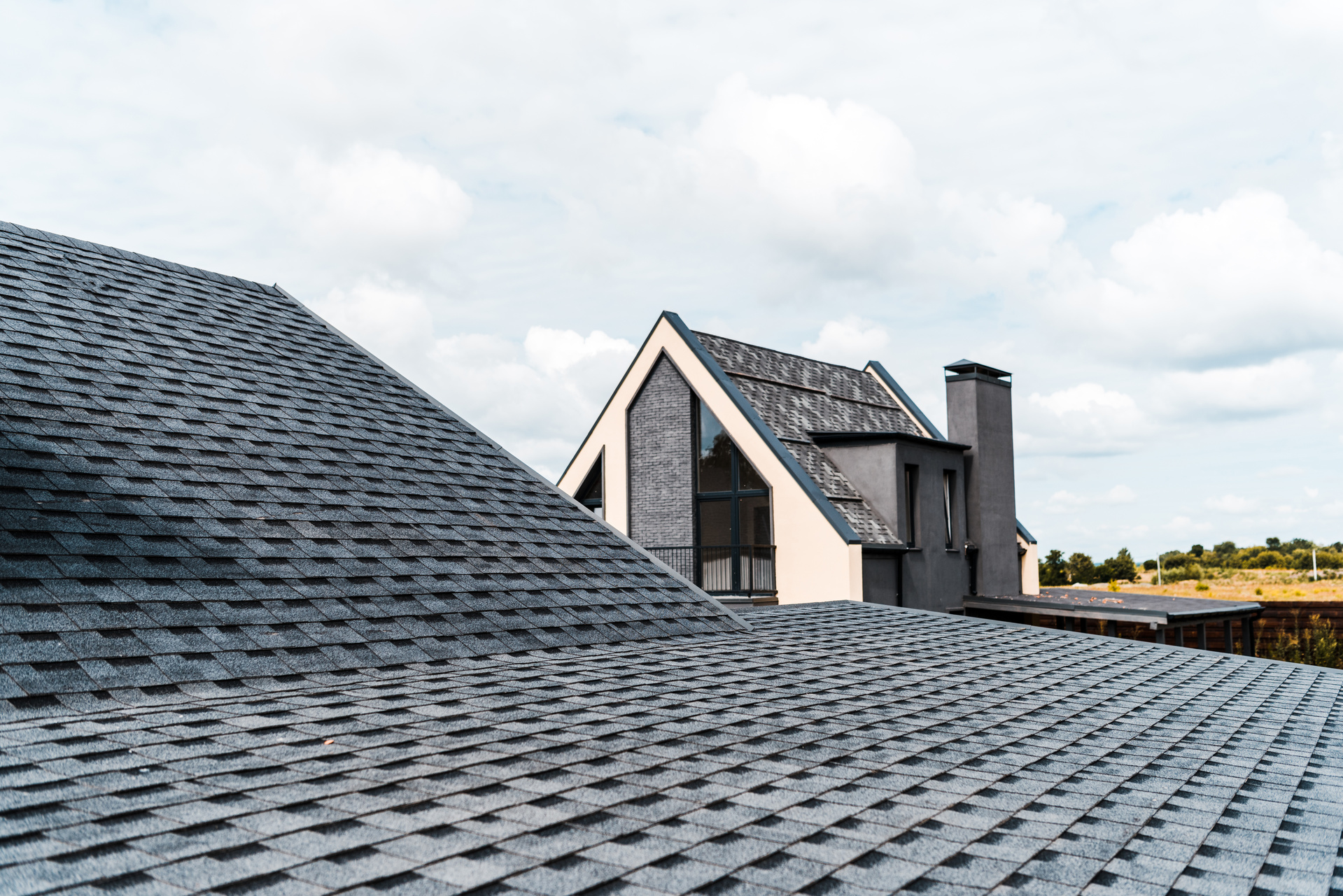
Heat and humidity create continuous stress on roofing systems throughout Gulf Coast environments”
TN, UNITED STATES, May 28, 2026 /EINPresswire.com/ -- High heat, prolonged humidity, heavy rainfall, and severe weather patterns throughout Louisiana continue placing significant stress on residential and commercial roofing systems. Roofing contractors and construction professionals throughout the Gulf Coast region report that environmental exposure plays a major role in how roofing materials age, expand, retain moisture, and respond to long-term weather conditions.— Tony Moore
Louisiana’s subtropical climate creates challenges for roofing systems due to extended periods of heat combined with elevated moisture levels throughout much of the year. Roof surfaces may experience extreme temperature fluctuations between daytime heat exposure and nighttime cooling cycles, particularly during summer months.
Roofing professionals note that asphalt shingles, metal roofing, underlayment systems, flashing, sealants, and ventilation components may all respond differently to sustained environmental exposure. Prolonged ultraviolet radiation from direct sunlight can gradually contribute to material breakdown, color fading, brittleness, and reduced flexibility over time.
Humidity also plays an important role in roofing system performance. Moisture accumulation beneath roofing materials, within attic spaces, or around ventilation systems may contribute to mold growth, wood rot, insulation problems, and structural deterioration if ventilation and drainage systems are not functioning properly.
Ventilation remains one of the most discussed factors in Gulf Coast roofing performance. Improper attic ventilation may trap heat and moisture beneath roofing systems, increasing internal attic temperatures and accelerating material wear. Excessive attic heat can affect shingles, decking, insulation, and energy efficiency throughout the structure.
Heavy rainfall patterns common across Louisiana may further stress roofing systems already exposed to heat-related expansion and contraction. Repeated rain exposure combined with humidity can increase the importance of flashing integrity, sealant condition, drainage performance, and underlayment protection.
Roofing materials also react differently to temperature expansion. Metal roofing systems may expand and contract significantly during extreme temperature changes, requiring fastening systems and installation methods designed to accommodate movement. Asphalt shingles may soften under prolonged heat exposure and become more susceptible to granule loss or storm damage over time.
Storm activity throughout the Gulf South adds another layer of environmental pressure. Hurricanes, tropical storms, hail, high winds, and flying debris may compromise roofing systems already weakened by long-term heat and moisture exposure. Roofing inspections following severe weather events are often recommended to identify hidden damage.
Coastal regions face additional concerns related to salt air exposure. Salt carried through humid coastal environments may accelerate corrosion in certain roofing components, flashing systems, fasteners, and metal surfaces if materials are not selected appropriately for Gulf Coast conditions.
Roof color and material selection may also influence heat absorption and energy efficiency. Darker roofing materials typically absorb more solar heat, while reflective or lighter-colored systems may help reduce rooftop surface temperatures under certain conditions. Building design, insulation, and attic ventilation collectively influence overall thermal performance.
Flat roofing systems commonly used on commercial buildings may face unique challenges in humid climates due to standing water concerns and drainage management. Ponding water combined with prolonged heat exposure may accelerate membrane deterioration if drainage systems are not functioning properly.
Moisture intrusion often develops gradually and may remain undetected until interior signs appear. Water stains, ceiling discoloration, mold growth, warped decking, and insulation damage can sometimes indicate long-term roofing system failures associated with weather exposure or inadequate ventilation.
Roofing maintenance programs frequently include inspections of flashing, sealants, vents, drainage systems, shingle condition, and attic airflow to identify early signs of deterioration. Preventive maintenance is commonly recommended in Gulf Coast regions where environmental exposure remains constant year-round.
“Heat and humidity create continuous stress on roofing systems throughout Gulf Coast environments,” said Tony Moore, founder of Tony’s Roofs in Knoxville, Tennessee. “Ventilation, moisture control, material selection, and regular inspections all play important roles in how roofing systems perform over time in high-moisture climates.”
Building codes and roofing installation standards have also evolved in many Gulf Coast regions following major storm events. Wind resistance requirements, fastening patterns, underlayment specifications, and ventilation standards are increasingly emphasized in roofing construction planning throughout hurricane-prone areas.
Insurance considerations continue influencing roofing discussions across Louisiana as storm frequency, weather-related claims, and material costs affect property owners and contractors alike. Roof age, condition, and storm resilience may impact underwriting decisions and long-term maintenance planning.
Advancements in roofing technology have introduced materials designed to improve resistance against heat, moisture, algae growth, wind uplift, and ultraviolet exposure. Manufacturers continue developing products intended to address environmental challenges associated with Gulf Coast climates and changing weather conditions.
Energy efficiency concerns are also contributing to roofing system evaluations. Excessive attic heat may increase cooling demands during summer months, particularly in Louisiana’s extended warm seasons. Roofing ventilation, insulation quality, and reflective materials are often discussed together when evaluating building performance.
As Gulf Coast weather conditions continue presenting challenges for residential and commercial properties, roofing systems remain critical components of structural protection and energy management. Contractors and property owners alike continue monitoring how heat, humidity, rainfall, and severe weather affect roofing performance across Louisiana and surrounding regions.
Morgan Thomas
Rhino Digital, LLC
+1 504-875-5036
email us here
Visit us on social media:
Facebook
Legal Disclaimer:
EIN Presswire provides this news content "as is" without warranty of any kind. We do not accept any responsibility or liability for the accuracy, content, images, videos, licenses, completeness, legality, or reliability of the information contained in this article. If you have any complaints or copyright issues related to this article, kindly contact the author above.
